Understanding generation names and years is one of the easiest ways to see how society has changed over time. Each generation grows up during a unique period of history, shaped by different economic conditions, technological advancements, cultural trends, and world events. These shared experiences influence the way people think, communicate, learn, shop, and work.
From the Lost Generation to Generation Beta, every generational cohort has developed its own identity. Businesses use generation data to understand customers, employers use it to manage diverse workplaces, educators adapt teaching methods, and researchers study how historical events affect human behaviour.
If you’ve ever wondered, “What generation am I?” or wanted to know the birth years for Baby Boomers, Generation X, Millennials, Generation Z, Generation Alpha, and Generation Beta, this complete guide explains everything in simple language.
In this article, you’ll find an updated generation years chart, detailed explanations of every generation, key characteristics, historical events, and interesting facts that make each generation unique.
Table of Contents
- What Are Generation Names?
- Complete Generation Names and Years Chart
- Why Generations Matter
- The Lost Generation
- The Greatest Generation
- The Silent Generation
- Baby Boomers
- Generation X
- Millennials (Generation Y)
- Generation Z
- Generation Alpha
- Generation Beta
- Comparison Table of All Generations
- Characteristics of Every Generation
- Technology and Social Media by Generation
- Frequently Asked Questions
What Are Generation Names?
A generation is a group of people born within a similar period who experience many of the same historical, cultural, social, and technological events during their formative years. Researchers, historians, marketers, and sociologists use generation names to study how different age groups think and behave.
Although there is no single worldwide standard for generational boundaries, most researchers follow commonly accepted birth-year ranges. These ranges help explain why people from different generations often have different lifestyles, values, communication styles, and career expectations.
For example, someone who grew up before the internet experienced a very different childhood from someone born in the age of smartphones and artificial intelligence. These differences help define each generation.
Complete Generation Names and Years Chart
The following table provides the most widely accepted generation names and birth years.
| Generation | Birth Years | Approximate Age (2026) | Common Nickname |
| Lost Generation | 1883–1900 | 126–143 | World War I Generation |
| Greatest Generation | 1901–1927 | 99–125 | GI Generation |
| Silent Generation | 1928–1945 | 81–98 | Traditionalists |
| Baby Boomers | 1946–1964 | 62–80 | Boomers |
| Generation X | 1965–1980 | 46–61 | Gen X |
| Millennials | 1981–1996 | 30–45 | Generation Y |
| Generation Z | 1997–2012 | 14–29 | Gen Z or Zoomers |
| Generation Alpha | 2013–2024 | 2–13 | Gen Alpha |
| Generation Beta | 2025–2039* | Newborn onward | Gen Beta |
*Projected birth years based on widely used demographic naming conventions.
Why Generation Names Matter
Generation labels are much more than age categories. They help explain why groups of people often share similar attitudes, habits, and preferences.
Understanding generation names and years is useful because it helps us:
- Understand changing social trends.
- Improve workplace communication.
- Build stronger marketing strategies.
- Create better educational systems.
- Understand consumer behaviour.
- Study historical influences.
- Improve family relationships between age groups.
- Predict future technology adoption.
- Analyse voting patterns and economic behaviour.
- Better understand cultural change.
While not everyone fits perfectly into a generational stereotype, these categories provide a helpful framework for understanding society.
How Are Generations Named?
Most generation names and years originate from historians, researchers, or demographic experts who identify significant historical patterns.
Some names reflect major historical events, while others describe social changes.
For example:
- Baby Boomers were born during the dramatic increase in births following World War II.
- Generation X received its name to represent a generation searching for its identity.
- Millennials reached adulthood around the beginning of the new millennium.
- Generation Z simply followed Generation Y alphabetically.
- Generation Alpha restarted the alphabet using the Greek alphabet after Generation Z.
- Generation Beta follows Alpha and represents children growing up in an increasingly AI-driven and digitally connected world.
These names eventually became widely accepted by researchers, media organisations, businesses, and governments.
Key Factors That Shape Every Generation
Although birth years define a generation, life experiences shape its identity. Several major factors influence how each generation develops.
Historical Events
Wars, political changes, economic recessions, and global pandemics leave lasting impressions on generations.
Examples include:
- World War I
- World War II
- The Cold War
- The Space Race
- The COVID-19 pandemic
- Rapid advances in artificial intelligence
Technology
Technology is one of the biggest differences between generations.
Some generations grew up with:
- Radio
- Television
- Landline telephones
- Personal computers
- The internet
- Smartphones
- Social media
- Artificial intelligence
- Virtual reality
Each technological revolution changes communication, education, shopping, entertainment, and work.
Economic Conditions
The economy during childhood and early adulthood often influences spending habits and career choices.
Major influences include:
- Economic booms
- Inflation
- Housing markets
- Employment opportunities
- Globalisation
- Digital entrepreneurship
Cultural Changes
Movies, music, sports, fashion, and social movements all contribute to shaping generational identity.
For example:
- Rock and roll influenced Baby Boomers.
- MTV helped define Generation X.
- Social media transformed Millennials.
- TikTok and short-form video have shaped Generation Z.
- Artificial intelligence and immersive technology are becoming defining influences for Generation Alpha and Generation Beta.
Interesting Facts About Generation Names

Many people are surprised to learn that generation names have existed for more than a century. Historians have been grouping people into generations since the early 1900s to better understand how major world events influence society.
Here are a few interesting facts:
- The Lost Generation received its name after World War I.
- The Greatest Generation is often associated with those who lived through the Great Depression and fought during World War II.
- The term Baby Boomers comes from the dramatic rise in birth rates after World War II.
- Generation X became famous through books and popular culture during the late twentieth century.
- Millennials are the first generation to come of age during the internet era.
- Generation Z has never known a world without smartphones or high-speed internet.
- Generation Alpha is growing up with artificial intelligence, smart homes, streaming platforms, and digital classrooms.
- Generation Beta is expected to experience even greater integration of robotics, automation, and AI into everyday life.
What You’ll Learn in This Guide
This guide doesn’t just list generation names—it explains what makes each generation unique. In the following sections, you’ll discover the history, defining events, personality traits, workplace habits, technology use, and cultural influences of every major generation.
By understanding where each generation fits in history, you’ll gain a clearer picture of how society has evolved and why people from different age groups often see the world in different ways.
The Lost Generation (1883–1900)
The Lost Generation is one of the earliest modern generational groups identified by historians. Born between 1883 and 1900, these individuals experienced enormous social and political upheaval during their formative years. They lived through the rapid industrialisation of many countries, witnessed World War I, and endured dramatic changes in global politics and economics.
The phrase “Lost Generation” became popular after World War I to describe young adults whose lives and futures were deeply affected by the devastation of the war. Many struggled with uncertainty, economic hardship, and changing social values.
Key Characteristics of the Lost Generation
- Experienced World War I firsthand.
- Witnessed rapid industrial growth.
- Valued hard work and discipline.
- Lived without modern technology.
- Strong sense of patriotism.
- Family-oriented lifestyle.
- Financially conservative.
- Preferred traditional values.
- Relied on local communities.
- Adapted to significant historical change.
Historical Events That Shaped the Lost Generation
- World War I
- Industrial Revolution expansion
- Rise of automobiles
- Early aviation
- Global economic shifts
- Advances in electricity
- Urbanisation
- Women’s suffrage movements
Although very few members of this generation remain today, their experiences helped shape the twentieth century and influenced every generation that followed.
The Greatest Generation (1901–1927)
The Greatest Generation, sometimes called the GI Generation, includes people born between 1901 and 1927. They are widely recognised for overcoming the hardships of the Great Depression and serving during World War II.
This generation names and years often admired for its resilience, sacrifice, and dedication. Many historians credit them with rebuilding economies, strengthening democratic institutions, and laying the foundation for decades of post-war prosperity.
Characteristics of the Greatest Generation
- Strong work ethic.
- Exceptional resilience.
- Loyal to employers.
- Financially responsible.
- Community focused.
- Patriotic values.
- Preferred long-term careers.
- Family-centred lifestyle.
- Practical decision-makers.
- Highly disciplined.
Defining Events
- Great Depression
- World War II
- Expansion of manufacturing
- Rise of radio broadcasting
- Early television
- Post-war reconstruction
- Economic recovery
- Beginning of the Space Age
Lifestyle and Values
Members of the Greatest Generation believed in saving money, respecting authority, and working hard to achieve success. Many spent decades with a single employer and valued stability over risk.
They also emphasised education, civic responsibility, and helping future generations build better lives.
The Silent Generation (1928–1945)
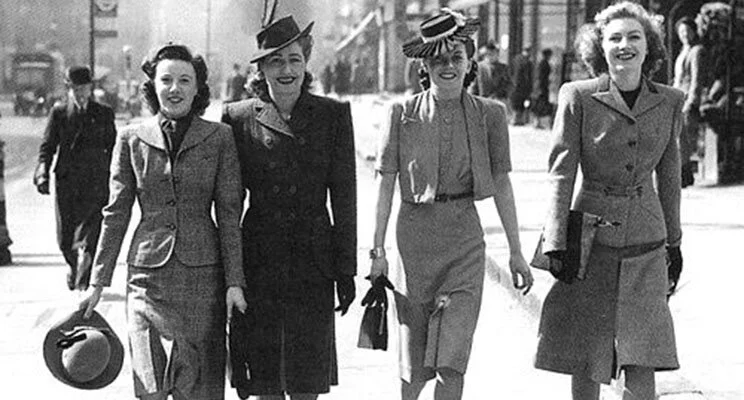
The Silent Generation was born between 1928 and 1945, growing up during the Great Depression’s final years and World War II. Their nickname reflects their tendency to avoid public confrontation and value stability, although many members later played important roles in social and political movements.
This generation witnessed enormous technological changes, from the spread of television to the beginning of the computer age.
Characteristics of the Silent Generation
- Respectful and polite.
- Hardworking employees.
- Loyal to organisations.
- Financially cautious.
- Traditional family values.
- Strong community involvement.
- Excellent problem solvers.
- Reliable and dependable.
- Preferred face-to-face communication.
- Appreciated lifelong learning.
Historical Events
- World War II
- Korean War
- Early Cold War
- Television boom
- Civil Rights Movement beginnings
- Economic expansion
- Medical breakthroughs
- Growth of suburbs
Technology They Experienced
The Silent Generation saw remarkable technological progress during their lifetime.
They witnessed:
- Black-and-white television
- Household appliances
- Commercial air travel
- Early computers
- Colour television
- Space exploration
- Mobile phones
- The internet
generation names and years have experienced such dramatic technological transformation over the course of a single lifetime.
Baby Boomers (1946–1964)
The Baby Boomers are one of the largest and most influential generations in modern history. Born between 1946 and 1964, they were named after the dramatic increase in births following World War II.
Boomers grew up during a period of economic growth, expanding home ownership, and increasing educational opportunities. As adults, they became leaders in business, politics, education, healthcare, and entertainment.
Characteristics of Baby Boomers
- Highly ambitious.
- Career-driven.
- Competitive.
- Strong work ethic.
- Independent thinkers.
- Optimistic outlook.
- Loyal consumers.
- Value personal achievement.
- Prefer in-person communication.
- Experienced long-term career growth.
Historical Events That Shaped Baby Boomers
- Post-war economic boom
- Vietnam War
- Civil Rights Movement
- Moon Landing
- Cold War
- Television expansion
- Rock and Roll era
- Women’s Rights Movement
Baby Boomers and Technology
Although Baby Boomers didn’t grow up with digital technology, many successfully adapted throughout adulthood.
Technologies they adopted include:
- Personal computers
- Mobile phones
- Online banking
- Smartphones
- Social media
- Video streaming
- Artificial intelligence tools
Their ability to adapt demonstrates that technological adoption isn’t limited to younger generation names and years.
Comparison of Early Generations
| Generation | Birth Years | Defining Event | Key Values | Major Technology |
| Lost Generation | 1883–1900 | World War I | Survival, resilience | Telegraph, automobiles |
| Greatest Generation | 1901–1927 | Great Depression & WWII | Duty, sacrifice | Radio, early TV |
| Silent Generation | 1928–1945 | WWII & Cold War | Stability, loyalty | Television, early computers |
| Baby Boomers | 1946–1964 | Post-war boom | Achievement, optimism | Television, personal computers |
How These Generations Changed the World
The first half of the twentieth century saw extraordinary social, economic, and technological change. Together, these four generations witnessed the transition from horse-drawn transport to jet aircraft, from handwritten letters to electronic communication, and from local economies to an increasingly connected global marketplace.
Their contributions shaped modern education, healthcare, transportation, science, business, and government. They also laid the foundation for the digital world that later generations would inherit.
Understanding these early generations helps explain why values such as discipline, loyalty, financial responsibility, and community service remain important today, even as technology and society continue to evolve.
Generation X (1965–1980)
Generation X, commonly called Gen X, includes people born between 1965 and 1980. Positioned between the Baby Boomers and Millennials, this generation witnessed the transition from an entirely offline world to the beginning of the digital age.
Gen X grew up during a time of economic uncertainty, changing family structures, cable television, video games, and the rise of personal computers. Unlike previous generations, they experienced both traditional childhoods and the birth of modern technology.
Many members of generation names and years X are known for their independence, adaptability, and practical approach to life. They often learned to solve problems on their own and became comfortable balancing traditional values with technological innovation.
Characteristics of Generation X
- Independent and self-reliant.
- Adaptable to change.
- Practical decision-makers.
- Entrepreneurial mindset.
- Career-focused.
- Financially responsible.
- Value work-life balance.
- Skeptical of authority.
- Comfortable with technology.
- Strong problem-solving skills.
Historical Events That Shaped Generation X
- Cold War
- Fall of the Berlin Wall
- Rise of personal computers
- Cable television boom
- Video game revolution
- Globalisation
- Expansion of higher education
- Early internet development
Technology Used by Generation X
generation names and years experienced one of history’s biggest technological transitions.
They witnessed:
- Cassette players
- VHS tapes
- Personal computers
- Dial-up internet
- Mobile phones
- Broadband internet
- Smartphones
- Streaming platforms
- Cloud computing
Many Gen X professionals became leaders during the internet revolution and helped shape today’s digital economy.
Millennials (Generation Y) (1981–1996)
The Millennial Generation, also known as generation names and years includes individuals born between 1981 and 1996. Millennials came of age around the beginning of the new millennium, which inspired their name.
They are considered the first generation to grow up alongside the internet. While many Millennials remember life before smartphones, they quickly adapted to social media, online shopping, digital banking, and remote work.
Today, Millennials represent one of the world’s largest working-age populations and have transformed industries including technology, entertainment, education, and entrepreneurship.
Characteristics of Millennials
- Tech-savvy.
- Highly educated.
- Collaborative.
- Creative thinkers.
- Entrepreneurial.
- Environmentally conscious.
- Socially connected.
- Flexible workers.
- Value experiences over possessions.
- Comfortable with lifelong learning.
Historical Events
- Rise of the internet
- September 11 attacks
- Global Financial Crisis
- Growth of smartphones
- Social media explosion
- Streaming services
- E-commerce revolution
- Remote working trends
Millennials and Technology
Millennials helped popularise many digital innovations.
These include:
- YouTube
- Smartphones
- Online banking
- Streaming platforms
- Food delivery apps
- Cloud storage
- Video conferencing
- Digital payments
- Artificial intelligence tools
They are often described as the bridge between the analogue and digital worlds.
Generation Z (1997–2012)
Generation Z, or Gen Z, consists of people born between 1997 and 2012. Unlike Millennials, Gen Z has grown up with high-speed internet, smartphones, and social media from an early age.
This generation names and years is recognised for its digital fluency, creativity, and ability to access information instantly. Online learning, content creation, and global communication are natural parts of everyday life for Gen Z.
Characteristics of Generation Z
- Digital natives.
- Creative and innovative.
- Entrepreneurial.
- Diverse and inclusive.
- Social media experts.
- Fast learners.
- Independent researchers.
- Comfortable with remote learning.
- Adaptable.
- Highly connected globally.
Major Events That Influenced Generation Z
- Smartphone revolution
- Social media growth
- COVID-19 pandemic
- Rise of artificial intelligence
- Climate awareness
- Streaming entertainment
- Online education
- Creator economy
Popular Platforms Among Generation Z
Generation Z spends much of its time using digital platforms for education, communication, and entertainment.
Popular platforms include:
- TikTok
- YouTube
- Snapchat
- Discord
- Spotify
- Netflix
- AI-powered tools
- Gaming platforms
- Online communities
Their digital-first lifestyle has changed marketing, education, entertainment, and workplace expectations worldwide.
Generation Alpha (2013–2024)
Generation Alpha includes children born between 2013 and 2024. They are the first generation born entirely during the smartphone era and are growing up in homes filled with smart devices, voice assistants, artificial intelligence, and digital learning tools.
Many researchers believe generation names and years Alpha will become the most technologically advanced generation in history.
Characteristics of Generation Alpha
- Born into a digital world.
- Extremely comfortable with technology.
- Early exposure to AI.
- Fast learners.
- Creative problem-solvers.
- Interactive learners.
- Globally connected.
- Strong visual communication skills.
- Comfortable using multiple devices.
- Curious about innovation.
Technology Defining Generation Alpha
Generation Alpha is growing up with technologies that previous generation names and years could only imagine.
Examples include:
- Artificial intelligence assistants
- Smart homes
- Virtual classrooms
- Tablets
- Robotics
- Augmented reality
- Virtual reality
- Voice search
- Wearable technology
- Cloud gaming
As this generation matures, their relationship with technology is expected to reshape education, healthcare, and the workplace.
Generation Beta (2025–2039)
Generation Beta is the newest recognised generational cohort. It includes children born from 2025 onward and is expected to extend until around 2039.
Although Generation Beta is still in its earliest years, experts predict they will grow up in an environment where artificial intelligence, automation, robotics, smart cities, and advanced healthcare technologies are integrated into everyday life.
Expected Characteristics of Generation Beta
- AI-first generation.
- Highly connected.
- Technology-dependent.
- Personalised education.
- Sustainable lifestyles.
- Global collaboration.
- Advanced digital literacy.
- Smart home integration.
- Automation-focused.
- Lifelong technology adoption.
Technologies Expected to Shape Generation Beta
Future innovations may include:
- Autonomous transportation
- AI teachers
- Personal robotics
- Smart healthcare
- Fully immersive virtual reality
- Quantum computing
- Intelligent cities
- Advanced renewable energy
- Human-AI collaboration
- Next-generation communication systems
Comparison of Modern Generations
| Generation | Birth Years | Defining Technology | Workplace Style | Communication Preference |
| Generation X | 1965–1980 | Personal computers | Independent | Email, phone |
| Millennials | 1981–1996 | Internet & smartphones | Collaborative | Messaging, social media |
| Generation Z | 1997–2012 | Mobile-first technology | Flexible | Short-form video, chat |
| Generation Alpha | 2013–2024 | AI & smart devices | Still developing | Voice, video, interactive media |
| Generation Beta | 2025–2039* | Advanced AI & robotics | Future workforce | AI-assisted communication |
How Modern Generations Continue to Shape Society
Each new generation names and years brings fresh ideas, new technologies, and different ways of solving problems. While Generation X helped build today’s digital economy, Millennials accelerated internet adoption, Generation Z transformed social media and online content, and Generation Alpha is growing up with artificial intelligence as a normal part of life.
Generation Beta will likely experience technological advances that reshape education, transportation, healthcare, communication, and work in ways we are only beginning to imagine today.
Understanding these generations helps families, businesses, educators, and organisations communicate more effectively and prepare for the future.
Generation Characteristics Comparison
Although every person is unique, researchers have identified common personality traits, behaviours, and preferences that often define each generation. These characteristics are shaped by historical events, technology, education, economic conditions, and cultural influences rather than age alone.
The following comparison highlights the key differences between today’s major generations.
| Generation | Core Values | Strengths | Biggest Challenges |
| Lost Generation | Survival, resilience | Hard work, determination | War and economic hardship |
| Greatest Generation | Duty, sacrifice | Loyalty, discipline | Great Depression and WWII |
| Silent Generation | Stability, respect | Reliability, patience | Social and political change |
| Baby Boomers | Achievement | Leadership, commitment | Adapting to digital technology |
| Generation X | Independence | Problem-solving, adaptability | Balancing work and family |
| Millennials | Innovation | Collaboration, creativity | Student debt and housing costs |
| Generation Z | Diversity | Technology, entrepreneurship | Mental health and digital overload |
| Generation Alpha | Curiosity | Digital learning | Screen time management |
| Generation Beta | AI integration | Future innovation | Unknown future challenges |
Technology Evolution Across Generations
Technology has changed more in the last century than at any other time in human history. Each generation has experienced different technological breakthroughs that shaped how people communicate, work, and learn.
| Generation | Defining Technology |
| Lost Generation | Telegraph, steam trains |
| Greatest Generation | Radio, automobiles |
| Silent Generation | Television, household appliances |
| Baby Boomers | Colour TV, personal computers |
| Generation X | Internet, email |
| Millennials | Smartphones, social media |
| Generation Z | Streaming, cloud computing, AI tools |
| Generation Alpha | Smart devices, virtual classrooms |
| Generation Beta | Robotics, advanced AI, smart cities |
Technology has influenced every aspect of daily life, from education and healthcare to shopping, entertainment, and workplace communication.
Workplace Differences Between Generations
Today’s workforce often includes employees from four or even five generation names and years working together. Understanding each generation’s work style helps employers create stronger teams and improve collaboration.
Baby Boomers at Work
Baby Boomers often value stability, loyalty, and long-term employment. Many appreciate structured workplaces and prefer face-to-face communication when solving problems.
Generation X at Work
Generation X is known for independence and efficiency. They are comfortable managing projects on their own while balancing professional and personal responsibilities.
Millennials at Work
Millennials prefer teamwork, flexibility, and continuous learning. They appreciate workplaces that encourage innovation, career development, and work-life balance.
Generation Z at Work
Generation Z values flexibility, technology, diversity, and meaningful work. Many expect employers to provide digital tools, learning opportunities, and inclusive environments.
Generation Alpha’s Future Workplace
Although Generation Alpha is still growing up, experts expect them to work in highly automated environments where artificial intelligence, robotics, and virtual collaboration become standard.
Communication Styles by Generation
Communication preferences vary significantly across generations.
| Generation | Preferred Communication |
| Silent Generation | Face-to-face conversations |
| Baby Boomers | Phone calls and meetings |
| Generation X | Email and phone |
| Millennials | Messaging apps and video calls |
| Generation Z | Text messages and social media |
| Generation Alpha | Interactive digital communication |
| Generation Beta | AI-assisted communication |
Recognising these differences helps reduce misunderstandings in families, workplaces, and schools.
Shopping Habits Across Generations
Consumer behaviour changes with every generation.
Baby Boomers
- Prefer trusted brands.
- Value quality over trends.
- Often shop in physical stores.
- Appreciate customer service.
Generation X
- Research products before buying.
- Mix online and offline shopping.
- Focus on value for money.
- Loyal to reliable brands.
Millennials
- Comfortable shopping online.
- Read reviews before purchasing.
- Prefer mobile payments.
- Support environmentally responsible businesses.
Generation Z
- Influenced by social media.
- Buy through mobile apps.
- Value authenticity.
- Prefer fast delivery.
Generation Alpha
Generation Alpha is already influencing family purchasing decisions through digital media, gaming platforms, and online content.
Social Media Preferences by Generation
Social media usage varies according to age and technology adoption.
| Generation | Popular Platforms |
| Baby Boomers | Facebook, YouTube |
| Generation X | Facebook, LinkedIn, YouTube |
| Millennials | Instagram, Facebook, X, YouTube |
| Generation Z | TikTok, Instagram, Snapchat, YouTube |
| Generation Alpha | YouTube Kids, gaming platforms, educational apps |
| Generation Beta | Future AI-powered platforms |
Social media continues to evolve, and each new generation names and years adopts new platforms faster than the previous one.
Parenting Styles Across Generations
Parenting philosophies have changed significantly over time.
Silent Generation
Focused on discipline, respect, and responsibility.
Baby Boomers
Encouraged independence while maintaining traditional family values.
Generation X
Promoted self-reliance and practical life skills.
Millennials
Emphasise communication, emotional intelligence, and balanced lifestyles.
Generation Z Parents
The oldest members of Generation Z are beginning to raise children using technology-assisted parenting, digital learning resources, and modern healthcare tools.
Education Across Generations
Learning environments have transformed dramatically over the last century.
| Generation | Typical Learning Method |
| Greatest Generation | Traditional classrooms |
| Silent Generation | Textbooks and lectures |
| Baby Boomers | Television-assisted learning |
| Generation X | Computer labs |
| Millennials | Internet-based education |
| Generation Z | Online learning platforms |
| Generation Alpha | Interactive digital classrooms |
| Generation Beta | AI-powered personalised education |
Educational technology continues to personalise learning and make knowledge more accessible worldwide.
Common Misconceptions About Generations
Generational stereotypes can sometimes be misleading. While shared experiences influence behaviour, they don’t define every individual.
Some common myths include:
- Every Baby Boomer dislikes technology.
- All Millennials constantly use social media.
- Generation Z only communicates online.
- Generation Alpha spends all day on screens.
- Generation Beta will rely entirely on artificial intelligence.
In reality, personality, education, culture, and life experiences influence people just as much as their generation names and years.
Why Understanding Generations Is Important
Learning about generation names and years helps us better understand how society changes over time. It improves communication between age groups, strengthens workplace collaboration, supports effective marketing strategies, and encourages greater appreciation for different perspectives.
Rather than creating divisions, generation labels should be viewed as tools for understanding shared historical experiences and adapting to an ever-changing world.
Generation Timeline
Understanding the order of generations is easier when you see them on a timeline. Although exact birth-year ranges may vary slightly depending on the organisation or researcher, the following chart includes the most widely accepted generation names and years.
| Generation | Birth Years | Current Age (2026) | Common Nickname |
| Lost Generation | 1883–1900 | 126–143 | WWI Generation |
| Greatest Generation | 1901–1927 | 99–125 | GI Generation |
| Silent Generation | 1928–1945 | 81–98 | Traditionalists |
| Baby Boomers | 1946–1964 | 62–80 | Boomers |
| Generation X | 1965–1980 | 46–61 | Gen X |
| Millennials | 1981–1996 | 30–45 | Gen Y |
| Generation Z | 1997–2012 | 14–29 | Zoomers |
| Generation Alpha | 2013–2024 | 2–13 | Gen Alpha |
| Generation Beta | 2025–2039* | Newborn onwards | Gen Beta |
This timeline provides a quick reference for anyone wondering which generation they belong to.
Which Generation Are You?
If you know your birth year, you can easily determine your generation.
| Birth Year | Generation |
| 1946 | Baby Boomer |
| 1955 | Baby Boomer |
| 1968 | Generation X |
| 1979 | Generation X |
| 1985 | Millennial |
| 1993 | Millennial |
| 1999 | Generation Z |
| 2005 | Generation Z |
| 2016 | Generation Alpha |
| 2026 | Generation Beta |
Knowing your generation helps explain the historical events, technology, education, and cultural experiences that shaped your upbringing.
How Businesses Use Generation Data
Companies around the world rely on generation research to understand consumer behaviour and improve their products and services. Different generations often have unique shopping habits, communication preferences, and purchasing decisions.
Marketing
Businesses create different advertising campaigns for each generation.
For example:
- Baby Boomers often respond to trust, quality, and customer service.
- Generation X appreciates value and reliability.
- Millennials enjoy authentic brands and digital experiences.
- Generation Z prefers short-form videos, influencers, and interactive content.
- Generation Alpha responds to educational and visual experiences.
Product Development
Companies also design products for different age groups.
Examples include:
- Retirement services for Baby Boomers.
- Financial planning tools for Generation X.
- Smart home technology for Millennials.
- AI-powered mobile apps for Generation Z.
- Interactive educational devices for Generation Alpha.
Customer Service
Understanding generational preferences helps businesses improve customer satisfaction.
Some customers prefer:
- Telephone support.
- Email.
- Live chat.
- Mobile apps.
- AI chatbots.
- Social media messaging.
Providing multiple communication options ensures better customer experiences.
Why Researchers Disagree on Generation Years
One of the most common questions people ask is why different websites sometimes list different birth years for the same generation.
The answer is simple—there is no single global authority that officially defines generation boundaries.
Different organisations use slightly different date ranges based on their research goals.
Common reasons include:
- Cultural differences between countries.
- Historical events occurring at different times.
- Research methodology.
- Government statistics.
- Marketing studies.
- Population analysis.
For example, one researcher may define Millennials as 1981–1996, while another may extend the range by one or two years. These small differences are normal and do not change the overall purpose of generational classifications.
Fun Facts About Every Generation
Here are some interesting facts you may not know.
Lost Generation
- Witnessed the introduction of automobiles.
- Experienced World War I.
- Saw the beginning of commercial aviation.
Greatest Generation
- Helped win World War II.
- Rebuilt economies after the war.
- Experienced the birth of modern manufacturing.
Silent Generation
- Watched television become a household necessity.
- Witnessed the early Space Race.
- Saw enormous medical advancements.
Baby Boomers
- Grew up during the rock-and-roll era.
- Witnessed the Moon landing.
- Experienced rapid economic growth.
Generation X
- Played the first home video games.
- Experienced both analogue and digital worlds.
- Helped build the modern internet economy.
Millennials
- Witnessed the rise of social media.
- Popularised smartphones.
- Helped grow online shopping.
Generation Z
- Never experienced life without high-speed internet.
- Grew up with streaming platforms.
- Created the modern creator economy.
Generation Alpha
- Growing up alongside artificial intelligence.
- Learning with digital classrooms.
- Comfortable using voice assistants from childhood.
Generation Beta
- Expected to experience AI-integrated education.
- Likely to grow up in smart cities.
- May see robotics become part of everyday life.
The Future of Generation Beta and Beyond
generation names and years Beta is only beginning its journey, but researchers expect it to experience one of the most technologically advanced childhoods in history.
Future developments may include:
- Artificial intelligence in every classroom.
- Autonomous transportation.
- Personal robots.
- Smart healthcare powered by AI.
- Fully immersive virtual reality.
- Advanced renewable energy.
- Intelligent cities.
- Human-AI collaboration in daily life.
- Personalised education systems.
- New careers that do not yet exist.
Just as previous generations adapted to televisions, computers, smartphones, and the internet, Generation Beta will likely grow up with technologies that seem extraordinary today.
Quick Comparison of Every Generation
| Generation | Technology Level | Communication Style | Work Preference |
| Lost Generation | Very Low | Letters | Manual labour |
| Greatest Generation | Low | Face-to-face | Stable careers |
| Silent Generation | Moderate | Telephone | Long-term employment |
| Baby Boomers | Moderate | Meetings & phone | Career growth |
| Generation X | High | Work-life balance | |
| Millennials | Very High | Messaging | Flexible working |
| Generation Z | Digital Native | Social media | Remote & hybrid work |
| Generation Alpha | AI Native | Interactive media | Future workforce |
| Generation Beta | AI Integrated | Intelligent communication | Technology-first workplaces |
Why Generational Knowledge Matters More Than Ever
As technology continues evolving at an unprecedented pace, understanding different generations has become increasingly valuable. Families, educators, employers, marketers, and policymakers all benefit from recognising how historical events and technological advancements influence people’s behaviours, values, and expectations.
Rather than creating stereotypes, generation names help us appreciate the unique experiences that shape each age group. They encourage better communication, stronger collaboration, and greater respect between generation names and years.
Whether you’re identifying your own generation, studying history, planning a marketing campaign, or simply satisfying your curiosity, understanding generation names and years provides valuable insight into how society has evolved—and where it’s heading next.
Frequently Asked Questions
What are the different generation names and years?
The most widely recognised generations are the Lost Generation (1883–1900), Greatest Generation (1901–1927), Silent Generation (1928–1945), Baby Boomers (1946–1964), Generation X (1965–1980), Millennials (1981–1996), Generation Z (1997–2012), Generation Alpha (2013–2024), and Generation Beta (2025–2039).
What generation am I if I was born in 1995?
If you were born in 1995, you are generally considered a Millennial (Generation Y).
Is 1997 Generation Z or Millennial?
Most researchers classify 1997 as the beginning of Generation Z.
What years are Baby Boomers?
Baby Boomers were born between 1946 and 1964.
What years belong to Generation X?
Generation X includes people born from 1965 to 1980.
Who are Millennials?
Millennials, also called Generation Y, were born between 1981 and 1996.
What years are Generation Alpha?
Generation Alpha generally includes children born between 2013 and 2024.
What is Generation Beta?
Generation Beta is expected to include children born from 2025 to around 2039, growing up in an AI-powered world.
Why do generation years vary between websites?
Different researchers and organisations use slightly different date ranges based on historical events and research methods.
Are generation labels officially recognised?
No. Generation names are widely accepted by researchers and media but are not officially defined by a single global authority.
Conclusion
Generation names and years provide a valuable way to understand how history, technology, culture, and society shape people’s lives. From the resilience of the Lost Generation to the digital-first mindset of Generation Z and the AI-driven future of Generation Beta, every generation reflects the unique experiences of its time.
While birth years help classify generations, they don’t define every individual. Personality, upbringing, education, and life experiences all play an equally important role. Instead of viewing generational labels as stereotypes, it’s better to see them as helpful tools for understanding how society evolves over time.
Whether you’re curious about your own generation, studying history, improving workplace communication, or developing a marketing strategy, knowing the differences between generations can help you better understand people from every age group. As technology continues to advance, future generations will undoubtedly create new trends, values, and innovations that shape the world for decades to come.
Generation Names and Years at a Glance
| Generation | Birth Years | Nickname |
| Lost Generation | 1883–1900 | WWI Generation |
| Greatest Generation | 1901–1927 | GI Generation |
| Silent Generation | 1928–1945 | Traditionalists |
| Baby Boomers | 1946–1964 | Boomers |
| Generation X | 1965–1980 | Gen X |
| Millennials | 1981–1996 | Generation Y |
| Generation Z | 1997–2012 | Zoomers |
| Generation Alpha | 2013–2024 | Gen Alpha |
| Generation Beta | 2025–2039* | Gen Beta |
Key Takeaways
- Generation names group people with shared historical and cultural experiences.
- Birth-year ranges may vary slightly depending on the research source.
- Technology is one of the biggest factors shaping modern generations.
- Millennials, Generation Z, and Generation Alpha have grown up during the digital era.
- Generation Beta is expected to be the first generation raised in an AI-first world.
- Understanding generations helps improve communication, education, business, and marketing.