Introduction
Royal surnames have always carried a sense of prestige, power, and timeless elegance. Throughout history, kings, queens, emperors, princes, and noble families have passed down surnames that became symbols of authority and influence. These names often represent centuries of heritage, political leadership, cultural achievements, and family traditions. Even today, people remain fascinated by royal surnames because they offer a glimpse into the lives of ruling dynasties and aristocratic families that shaped nations around the world.
Whether you are researching family history, searching for noble-inspired names, writing historical fiction, or simply curious about royal lineages, exploring royal surnames can be both educational and fascinating. Many of these names have survived for hundreds of years and continue to be associated with wealth, influence, and distinguished ancestry. In this guide, you will discover some of the most famous royal surnames from Britain, France, Germany, Russia, and Italy, along with their historical significance and noble connections.
British Royal Surnames
British royal surnames are among the most recognized and influential family names in history. For centuries, British monarchs ruled vast territories, influenced global politics, and established traditions that continue today. These surnames are closely connected to royal dynasties, noble houses, and aristocratic families that played major roles in shaping the United Kingdom. Many of these names are instantly recognizable because of their association with famous kings, queens, and historical events. Their enduring popularity reflects Britain’s rich royal heritage and global cultural influence.
- Windsor
- Tudor
- Stuart
- Plantagenet
- Lancaster
- York
- Hanover
- Howard
- Percy
- Neville
- Seymour
- Beaufort
- Clifford
- Cavendish
- Spencer
- Churchill
- Montagu
- Talbot
- FitzRoy
- Grosvenor
British royal surnames often appear in historical records, documentaries, and genealogy research because of their lasting impact on national and international affairs. Families bearing these names were frequently involved in governance, military leadership, and royal succession. The surname Windsor, for example, remains synonymous with the modern British monarchy, while Tudor is remembered for one of the most transformative periods in English history. These names continue to inspire admiration among history enthusiasts and descendants seeking connections to noble ancestry.
French Royal Surnames
French royal surnames are admired for their sophistication, elegance, and rich historical legacy. France was once home to some of Europe’s most powerful monarchies, and many noble families left an enduring mark on politics, art, architecture, and culture. French royal names often evoke images of magnificent palaces, royal courts, and influential dynasties that ruled for centuries. Their graceful pronunciation and aristocratic heritage have also made them popular in literature and storytelling.
- Beaumont
- Bellcourt
- Chevalier
- Clairmont
- Delacroix
- Desmarais
- Duval
- Fontaine
- Garnier
- Giroux
- Lacroix
- Lavigne
- Lefevre
- Lemarchand
- Montagne
- Montclair
- Moreau
- Rousseau
- Valois
- Villeneuve
The French monarchy produced several famous dynasties, including the Valois and Bourbon houses. These royal surnames became symbols of influence and refinement throughout Europe. Many French noble families were patrons of the arts, helping shape the cultural achievements that France is known for today. As a result, these surnames continue to carry an air of prestige and historical importance. Their connection to royal courts and aristocratic traditions makes them particularly appealing to those interested in genealogy and noble heritage.
German Royal Surnames
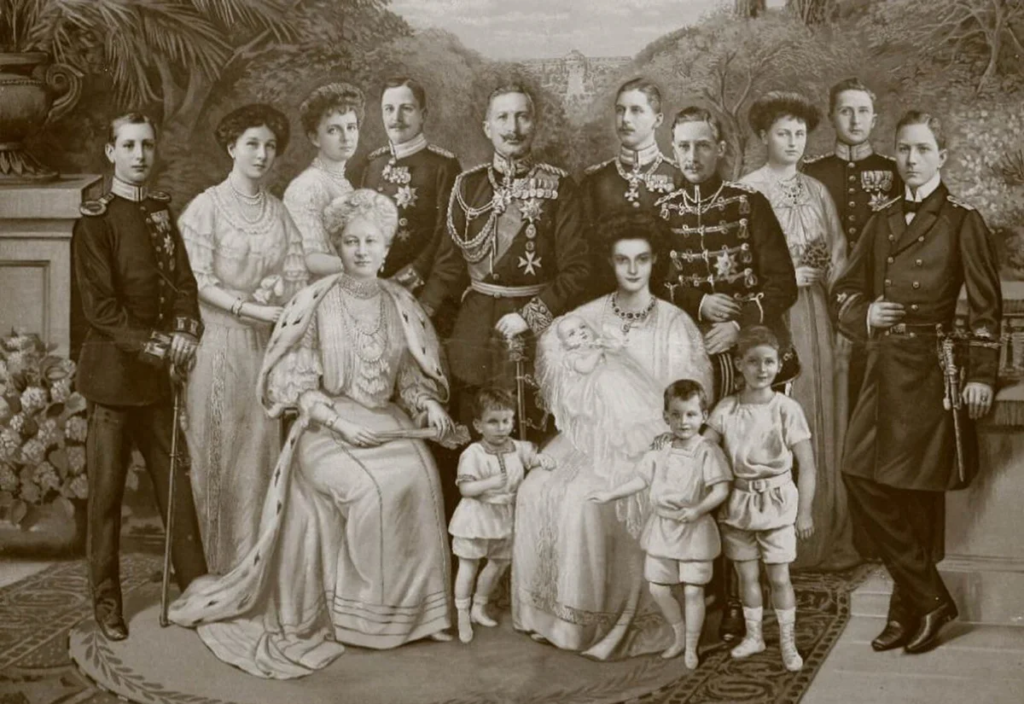
German royal surnames represent centuries of imperial authority, noble governance, and political influence. Germany’s historical landscape included numerous kingdoms, duchies, and principalities, each governed by powerful families whose names became synonymous with leadership and prestige. These surnames often reflect military strength, strategic alliances, and dynastic success. Many German royal families extended their influence beyond Germany through royal marriages and diplomatic relationships across Europe.
- Habsburg
- Wettin
- Hohenzollern
- Falkenberg
- Eisenberg
- Altenburg
- Kronberg
- Reinhardt
- Von Stein
- Von Braun
- Adler
- Schreiber
- Kaiser
- Vogel
- Rothenburg
- Falkenhayn
- Hartmann
- Lindenberg
- Waldenburg
- Von Arnim
Among the most influential German royal surnames is Habsburg, a dynasty that dominated European politics for centuries. The Hohenzollern family also played a significant role in German and Prussian history. These names are often associated with castles, imperial courts, and major historical events that shaped Europe. Today, German royal surnames remain important to historians studying monarchies, diplomacy, and aristocratic family networks.
Russian Royal Surnames
Russian royal surnames are closely linked to imperial grandeur, political power, and centuries of dynastic rule. Russia’s royal families governed one of the largest empires in history, influencing both European and Asian affairs. Their surnames continue to fascinate historians because of their connection to tsars, noble courts, and transformative historical periods. Many Russian noble families accumulated immense wealth and prestige while helping shape the country’s development.
- Romanov
- Rurikov
- Dolgorukov
- Shuysky
- Golitsyn
- Volkonsky
- Yusupov
- Obolensky
- Trubetskoy
- Sheremetev
- Rostov
- Baryatinsky
- Orlov
- Tolstoy
- Menshikov
- Vorontsov
- Razumovsky
- Gagarin
- Repnin
- Demidov
The Romanov dynasty remains the most famous Russian royal family, ruling from 1613 until 1917. Other noble houses, such as the Golitsyn and Yusupov families, were influential in politics, diplomacy, and cultural life. These surnames often symbolize wealth, sophistication, and imperial heritage. Researchers frequently explore Russian royal surnames when studying European history, aristocratic traditions, and genealogical connections.
Italian Royal Surnames
Italian royal surnames are deeply rooted in the country’s rich history of kingdoms, duchies, and influential city-states. Italy produced some of Europe’s most powerful noble families, many of whom played important roles in politics, commerce, religion, and the arts. Their names became associated with wealth, leadership, and cultural achievement during the Renaissance and beyond. Italian royal surnames often have an elegant and distinguished quality that continues to attract interest worldwide.
- Medici
- Savoy
- Visconti
- Sforza
- Farnese
- Colonna
- Orsini
- Borghese
- Aldobrandini
- Barberini
- Este
- Gonzaga
- Pallavicini
- Doria
- Bentivoglio
- Malatesta
- Montefeltro
- Grimaldi
- Borgia
- Caracciolo
Families such as the Medici and Savoy dynasties significantly influenced European history through politics, finance, and patronage of the arts. Their support for artists, architects, and scholars helped fuel the Renaissance, one of the most important cultural movements in history. Italian royal surnames remain popular among historians, genealogists, and those seeking names with noble associations.
Spanish Royal Surnames
Spanish royal surnames are among the most respected noble family names in Europe. Spain’s royal history includes powerful kingdoms such as Castile, Aragon, León, and Navarre, which later united to form the modern Spanish state. Throughout centuries, Spanish monarchs expanded their influence across Europe, the Americas, and other parts of the world. Their surnames became symbols of authority, military strength, wealth, and noble heritage. Many of these names still appear in historical records, royal genealogies, and aristocratic family trees. People interested in ancestry often explore Spanish royal surnames because of their connection to noble bloodlines and centuries of tradition. These surnames also remain popular in literature and historical research due to their strong association with prestige and royal influence.
- Bourbon
- Trastámara
- Aragon
- Castile
- Mendoza
- Velasco
- Guzman
- Ponce de Leon
- Alvarado
- Cabrera
- Sandoval
- Villahermosa
- Cordoba
- Toledo
- Manrique
- Benavides
- Enriquez
- Zuniga
- Osorio
- Figueroa
Spanish royal surnames often represent centuries of political leadership and noble traditions. Families carrying these names frequently held influential positions within royal courts and government institutions. Many noble houses gained prominence through military victories, strategic marriages, and service to the crown. Today, these surnames continue to attract interest from historians and genealogy enthusiasts who seek to understand Spain’s remarkable royal legacy.
Scottish Royal Surnames
Scottish royal surnames reflect the proud history of clans, noble houses, and royal dynasties that helped shape Scotland. Unlike many other countries, Scotland’s history is closely connected to clan traditions, where family loyalty and leadership played central roles in society. These surnames often symbolize courage, honor, and resilience. Throughout centuries, Scottish clans defended territories, supported kings, and influenced major historical events. Many of these names remain widely recognized around the world, particularly among people of Scottish descent who wish to reconnect with their ancestral roots.
- Stewart
- Douglas
- Campbell
- Murray
- MacDonald
- MacLeod
- Sinclair
- Gordon
- Fraser
- Hamilton
- Drummond
- Bruce
- Cameron
- Ross
- MacKenzie
- Keith
- Forbes
- Grant
- Lennox
- Erskine
The Stewart dynasty is among the most famous royal families in Scottish history, producing monarchs who ruled Scotland and later England. Other surnames, such as Douglas and Campbell, became synonymous with military power and political influence. These names continue to inspire interest among genealogists, historians, and individuals seeking meaningful family connections to Scotland’s royal and noble past.
Irish Royal Surnames
Irish royal surnames have a unique place in European history because many originated from ancient Gaelic kings and tribal leaders. Ireland’s noble families governed regions across the island long before modern political boundaries existed. Their surnames often preserve centuries of cultural heritage and family traditions. Many Irish names begin with prefixes such as “O'” and “Mac,” indicating descent from respected ancestors. These surnames remain important symbols of Irish identity and are proudly carried by millions of people around the world today.
- O’Brien
- O’Neill
- Fitzgerald
- Burke
- O’Donnell
- MacCarthy
- O’Connor
- Kavanagh
- Gallagher
- Byrne
- Kennedy
- Quinn
- Sullivan
- Murphy
- Brennan
- Doyle
- Flynn
- Moran
- Walsh
- Donnelly
The O’Brien surname traces its roots to Brian Boru, one of Ireland’s most celebrated High Kings. Similarly, families such as O’Neill and O’Donnell played important roles in Irish history and governance. These surnames continue to be widely researched by individuals exploring their ancestry and seeking connections to Ireland’s rich royal and noble heritage.
Japanese Royal Surnames
Japanese royal surnames are deeply connected to imperial traditions, samurai culture, and noble family lineages. Japan’s imperial family is considered one of the oldest hereditary monarchies in the world, and many noble clans contributed to the nation’s development over centuries. These surnames often represent discipline, honor, leadership, and cultural influence. They are closely associated with powerful families that shaped Japanese politics, warfare, and governance throughout different historical periods.
- Yamato
- Fujiwara
- Minamoto
- Taira
- Tachibana
- Tokugawa
- Ashikaga
- Hosokawa
- Shimazu
- Date
- Takeda
- Uesugi
- Mori
- Oda
- Toyotomi
- Kujo
- Konoe
- Saionji
- Ichijo
- Nijo
Japanese royal surnames remain highly respected because of their connection to influential dynasties and noble clans. Families such as Tokugawa and Fujiwara played crucial roles in shaping Japanese society. Today, these names continue to appear in historical studies, cultural discussions, and genealogical research, reflecting their lasting importance within Japan’s heritage.
Middle Eastern Royal Surnames
Middle Eastern royal surnames are associated with influential ruling families, powerful dynasties, and centuries of leadership. Many of these names continue to be connected to modern monarchies and royal households. These surnames often symbolize authority, heritage, and tribal traditions that have been preserved across generations. Throughout history, Middle Eastern royal families played significant roles in governance, trade, diplomacy, and cultural development. Their influence extended beyond national borders and contributed to the growth of major civilizations.
- Al Saud
- Al Nahyan
- Al Maktoum
- Al Khalifa
- Al Thani
- Al Sabah
- Hashemite
- Al Rashid
- Al Faisal
- Al Qasimi
- Al Jaber
- Al Mualla
- Al Sharqi
- Al Said
- Al Khatib
- Al Mansoori
- Al Farsi
- Al Harbi
- Al Zayed
- Al Mazrouei
Several of these surnames belong to ruling families that continue to govern nations today. Their historical significance and modern influence make them among the most recognized royal surnames in the world. Researchers often study these families to understand the political and cultural development of the Middle East.
Why Royal Surnames Fascinate People
Royal surnames continue to attract global attention because they offer a direct connection to history, leadership, and noble traditions. Many people dream of discovering royal ancestry within their family tree, while others admire the elegance and prestige associated with noble family names. Historical dramas, documentaries, books, and media coverage of modern royal families have further increased public interest in royal surnames. These names often represent wealth, influence, and cultural importance, making them fascinating subjects for both casual readers and serious historians.
Royal surnames also play an important role in genealogy research. Individuals tracing family histories frequently encounter noble or aristocratic surnames and become curious about potential ancestral connections. Although having a royal surname does not necessarily indicate direct descent from royalty, these names often provide valuable clues about family origins and historical relationships. Their enduring appeal ensures that royal surnames remain a popular topic for generations to come.
Royal Surnames and Their Meanings
Understanding the meanings behind royal surnames provides valuable insight into the history and traditions of noble families. Many royal surnames originated from castles, geographic locations, occupations, family lineages, or titles of authority. Over time, these names became symbols of leadership, prestige, and social status. Historians often use surname meanings to trace dynastic connections and understand how royal families established their influence. The table below highlights some of the most famous royal surnames and their historical significance.
| Royal Surname | Country/Origin | Meaning or Association |
| Windsor | England | Named after Windsor Castle |
| Tudor | Wales/England | Historic ruling dynasty |
| Stuart | Scotland | Royal steward lineage |
| Plantagenet | England | Medieval royal dynasty |
| Romanov | Russia | Descendants of Roman |
| Habsburg | Austria | Named after Habsburg Castle |
| Bourbon | France | Originated from Bourbon region |
| Savoy | Italy | Noble house of Savoy |
| Medici | Italy | Influential Renaissance family |
| Yamato | Japan | Ancient imperial lineage |
| Al Saud | Saudi Arabia | House of Saud dynasty |
| Valois | France | French royal dynasty |
| Hanover | Germany | German royal house |
| FitzRoy | England | Son of the king |
| Stewart | Scotland | Royal administrative title |
How Royal Surnames Influenced Modern Culture
Royal surnames continue to influence modern society far beyond the walls of palaces and royal residences. These names appear regularly in movies, television series, novels, documentaries, and historical publications. Writers often choose royal surnames when creating characters because such names immediately suggest authority, heritage, and sophistication. Luxury brands, hotels, fashion houses, and businesses also use royal-inspired names to create an image of exclusivity and prestige.
The fascination with royal surnames is especially visible in genealogy and family history research. Millions of people explore ancestry records hoping to uncover connections to noble families or historical dynasties. While most individuals with royal surnames are not direct descendants of monarchs, the historical significance of these names continues to spark curiosity. The combination of history, mystery, and prestige ensures that royal surnames remain culturally relevant even in the modern era.
Choosing a Royal Surname for Characters, Businesses, or Personal Projects
Many writers, entrepreneurs, and creatives search for royal surnames because they convey elegance and authority. A carefully chosen royal surname can instantly create a sense of importance and historical depth. Names such as Windsor, Romanov, Medici, Bourbon, and Habsburg are commonly selected for fictional characters because they carry strong associations with leadership and noble heritage.
For businesses, royal surnames can help establish a premium image. Luxury brands often benefit from names that evoke sophistication and trust. Similarly, authors writing fantasy, historical fiction, or period dramas frequently use noble surnames to create believable aristocratic characters. Understanding the origins and meanings behind royal surnames can help ensure that the chosen name fits the intended purpose and audience.
The Lasting Legacy of Royal Surnames
Royal surnames have survived centuries of political change, social transformation, and historical upheaval. While many monarchies no longer possess the power they once held, their surnames remain important symbols of heritage and tradition. These names continue to be studied by historians because they reveal valuable information about family lineages, royal alliances, and the development of nations.
The legacy of royal surnames extends beyond history books. They continue to inspire modern culture, genealogy research, and creative projects around the world. Whether associated with ancient kings, influential queens, or powerful dynasties, these names preserve stories that connect present generations to the past. Their enduring appeal demonstrates the lasting fascination people have with royalty and noble heritage.
Frequently Asked Questions About Royal Surnames
What are royal surnames?
Royal surnames are family names associated with kings, queens, emperors, princes, noble houses, and ruling dynasties throughout history.
What is the most famous royal surname?
Windsor is considered one of the most famous royal surnames because it represents the modern British royal family and is recognized worldwide.
Are royal surnames still used today?
Yes. Many royal families continue to use their dynastic surnames, and numerous noble surnames remain in use among descendants today.
What is the oldest royal surname?
Several royal surnames have ancient origins, but names connected to dynasties such as Yamato, Capet, and Rurik are among the oldest known.
Can anyone have a royal surname?
Yes. Many royal surnames have spread beyond noble families over time and are now used by ordinary people across different countries.
How do royal surnames originate?
Royal surnames often originated from castles, noble estates, geographic regions, family ancestors, occupations, or dynastic titles.
Which royal surname ruled Russia?
The Romanov dynasty ruled Russia from 1613 until 1917 and remains one of the most recognized royal families in history.
Which royal surname ruled France?
Several royal houses ruled France, including Bourbon, Valois, and Capet, each leaving a lasting impact on French history.
Why are royal surnames important in genealogy?
Royal surnames help researchers trace family origins, noble lineages, historical alliances, and connections between influential families.
How can I find out if my surname has royal origins?
You can research genealogy records, ancestry databases, historical documents, and family archives to determine whether your surname has noble or royal connections.
Conclusion
Royal surnames represent far more than simple family names. They are living reminders of the kings, queens, emperors, nobles, and dynasties that shaped civilizations throughout history. From the British Windsors and Scottish Stewarts to the Romanovs of Russia, the Bourbons of France, and the Yamato lineage of Japan, these names continue to symbolize leadership, heritage, prestige, and cultural influence.
Whether you are researching ancestry, studying world history, creating fictional characters, or simply exploring noble traditions, royal surnames provide a fascinating connection to the past. Their stories reveal centuries of power, ambition, achievement, and legacy. As interest in genealogy and historical heritage continues to grow, royal surnames remain timeless symbols of nobility that continue to captivate people around the world. If you want more information visit our about us page.